Why do we yawn? Why is yawning contagious?
· Health
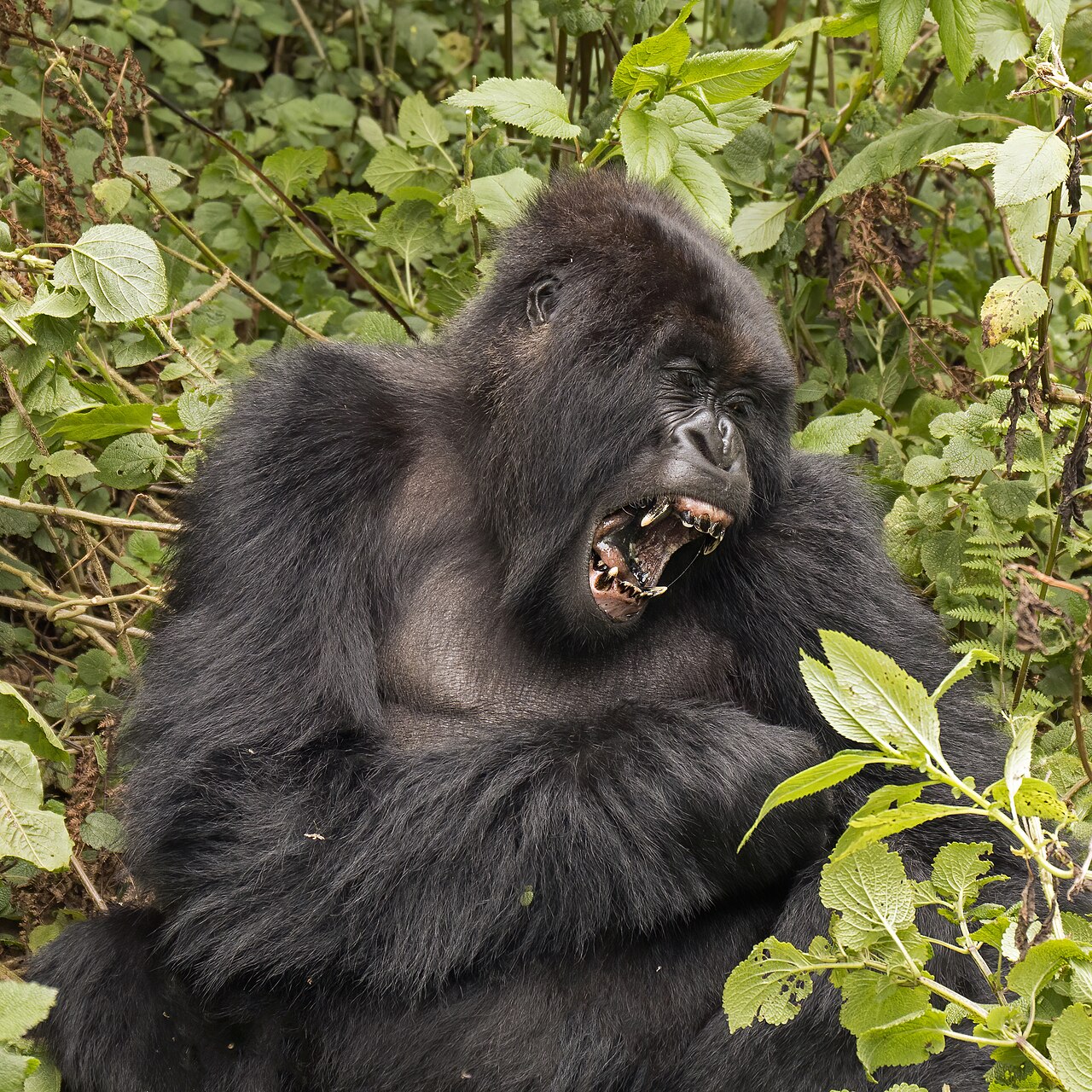
Someone yawns in a meeting and a minute later half the table is yawning. You may be yawning while reading this. It is odd that something so ordinary is still argued over by scientists.
What a yawn actually is
A yawn is a reflex: the mouth opens wide on a long breath in, then relaxes and closes. A typical yawn lasts about 6 seconds. It is not an adult-only habit either. Fetuses yawn in the womb, and a 2012 study compared yawns with other mouth openings in fetuses between 24 and 36 weeks of gestation.
Why we yawn: three ideas
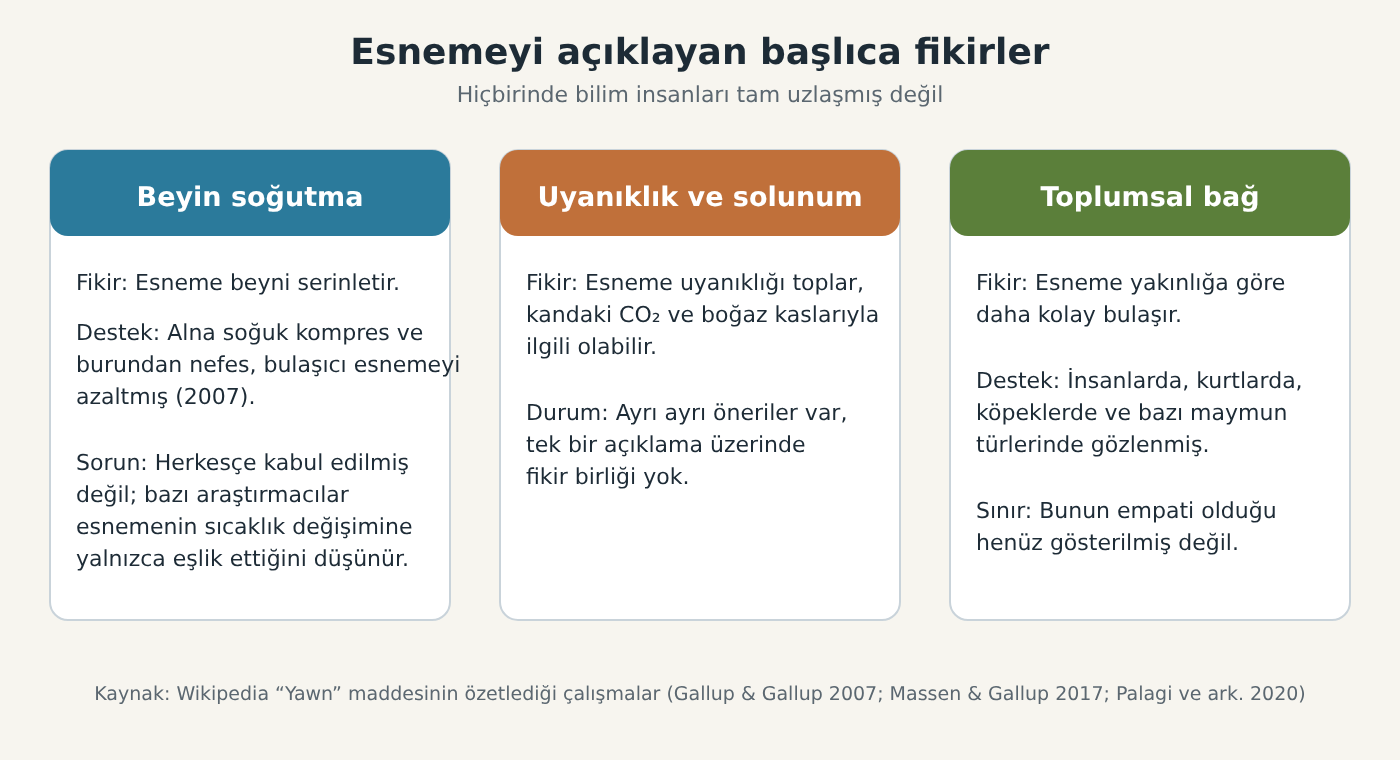
The popular answer is that we yawn because we lack oxygen. In studies, that explanation did not hold up by itself. Three main ideas are on the table now.
Brain cooling. The hypothesis says yawning lowers brain temperature. In 2007, Gallup and Gallup reported that people who held a cold pack to the forehead, or breathed strictly through the nose, yawned less while watching yawn videos. That is among the strongest support the idea has. Some researchers still think yawning merely accompanies changes in brain temperature.
Alertness and breathing. Yawning has been proposed to raise alertness, to relate to blood carbon dioxide, or to keep the throat muscles working. These are separate proposals, and none has won consensus.
Social function. A yawn may help a group match its mood. The next section covers that.
Why is it contagious?
Seeing, hearing or even reading about a yawn can set one off. What stands out is that the spread is not random. A 2011 study by Italian researchers found that yawns pass more easily as social bonds get stronger: the closer two people are, the likelier the yawn travels between them.
Children are different. Contagious yawning is not reliably seen in children under six. Dogs follow a similar path: dogs older than seven months respond to human yawns, while younger ones appear immune.
Is catching a yawn empathy?
For a long time this was an attractive hypothesis: if you catch someone's yawn, you must be tuning in to them. The evidence is mixed. A 2017 review by Massen and Gallup says contagious yawning has not yet been shown to equal empathy, and flags the possibility of publication bias. A 2020 review by Palagi and colleagues argues that how socially relevant the yawner is affects how much yawning spreads.
In a study of children with autism (Senju and colleagues, 2007), yawning did not increase after yawn videos, and the children yawned less during those videos than during control videos. One study can't settle anything, but it hints that contagious yawning may be tied to how social information is processed.
Nor is it a human-only trait. It has been observed in chimpanzees, stump-tailed macaques, gelada baboons, wolves and budgerigars. In one study, 21 of 29 dogs yawned back when a stranger yawned.
Yawning in other animals: examples
- Baboons yawn to threaten enemies (Darwin recorded this).
- Siamese fighting fish yawn at a rival or at their mirror image, often during attacks.
- Guinea pigs yawn to show dominance or anger.
- Emperor and Adélie penguins yawn during courtship displays.
- Snakes yawn to realign their jaws after eating and to breathe.
- Fish yawn more when oxygen is low (Hasler et al., 2009).