
Phones · 2026
Google Pixel 11 Pro
The 6.3-inch Pixel 11 Pro focuses on everyday use and photography with three rear cameras and magnetic Pixelsnap accessories. Its 5× telephoto is optical; 120× Pro Zoom uses computational processing.
Technology glossary
Corning cover glass for mobile devices. It is separate from the OLED or LCD panel that produces the image.
Corning reports laboratory drops up to one metre onto surfaces simulating rough concrete. Testing uses phone-like vehicles; it does not guarantee that a particular phone survives every fall.
Scratch resistance and fracture resistance differ. The glass name alone does not specify the phone maker's additional coating or the finished device's impact outcome.
Phones · 2026
The 6.3-inch Pixel 11 Pro focuses on everyday use and photography with three rear cameras and magnetic Pixelsnap accessories. Its 5× telephoto is optical; 120× Pro Zoom uses computational processing.
Phones · 2026
The Galaxy S26 is the smallest model in the series: a 6.3-inch 1–120 Hz AMOLED display, three rear cameras, 12 GB of RAM and Wi-Fi 7. In Europe and most markets it uses the Exynos 2600. Independent tests show longer battery life than the S25, but a clear performance drop under sustained load and slower charging than rivals.

Phones · 2026
An Android phone with a 6.3-inch OLED display. It has the Google Tensor G6 processor, a 48 MP main camera and a 5× telephoto. The Pixel 11 Pro and Pro XL are different models; this entry covers the standard one.
Phones · 2026
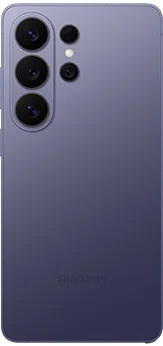
A 6.9-inch display, built-in S Pen and Samsung DeX bring phone and desktop use together. Privacy Display narrows viewing angles to make the screen harder to read from the side.
Phones · 2026
Xperia 1 VIII keeps a physical shutter button, headphone jack and microSD slot. Its 24 mm main camera is joined by a 16 mm ultrawide and 70 mm telephoto. The 17.5× hybrid zoom is not continuous optical zoom across that range.
Phones · 2025
Google's 6.3-inch Pro phone from autumn 2025. It carries the Tensor G5, the first Tensor chip built on TSMC's 3 nm process, a 50 MP main, 48 MP ultrawide and 48 MP 5× telephoto camera, Qi2 magnetic Pixelsnap charging and seven years of updates. Reviews praise the display and camera; battery life and GPU performance are rated weaker.
Phones · 2025
Galaxy Z Flip7 is Samsung’s 2025 clamshell foldable. Opened, it has a 6.9-inch 120 Hz AMOLED screen; closed, an edge-to-edge 4.1-inch FlexWindow cover screen. It comes with the Exynos 2500 chip, 12 GB of RAM, a 50 MP main camera, a 4300 mAh battery, IP48 protection and Android 16, at 13.7 mm thick folded and 188 g. In independent testing the display was very bright and battery life good; marked throttling under load, a visible crease and slow charging were criticised.
Phones · 2025
The Galaxy Z Fold7 is Samsung’s 2025 book-style foldable: an 8.0-inch Dynamic AMOLED 2X screen when open and a 6.5-inch one when closed, 8.9 mm thick folded, 4.2 mm unfolded and 215 g. It uses the Snapdragon 8 Elite for Galaxy, a 200 MP main camera and a 4,400 mAh dual battery; it is rated IP48 and has no S Pen support. In a durability test the hinge and frame survived bending, while the inner screen proved soft enough to scratch with a fingernail. Owners praise the thin body and large screen; the missing S Pen and battery capacity are the most common criticisms.
Phones · 2025
The Pixel 10 is Google's 2025 base phone: a 6.3-inch 60–120 Hz OLED display, Tensor G5, 12 GB of RAM and a 5x optical telephoto camera. It adds Pixelsnap magnets and seven years of updates. Tests find the display bright, with charging and battery life similar to the previous model.