Desktop computers · 2026
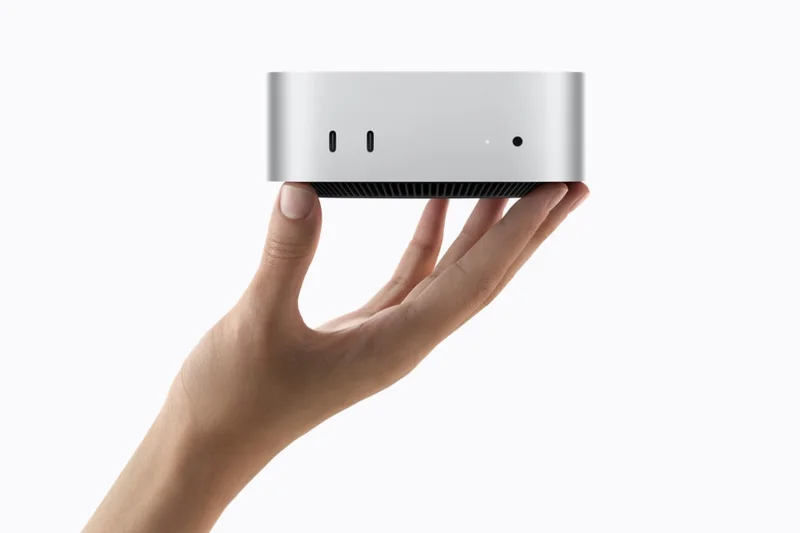
Apple Mac mini (M6)
A compact desktop computer powered by M6. A display, keyboard and mouse connect separately. Front USB-C ports, rear Thunderbolt connections and Ethernet accommodate desktop peripherals.
Technology glossary
An arrangement in which the CPU and graphics processor use the same physical memory pool. Memory allocated to the GPU is not extra capacity added to total RAM.
On the 128 GB Z2 Mini G1a, up to 96 GB can be assigned to the GPU. It comes from the 128 GB total and reduces the capacity left for the OS and other applications.
Fitting a large model into memory and running it quickly are different things. Software support, model format, memory transfers and processing power affect the result. The term unified memory alone promises neither a particular speed nor upgradeability.
Desktop computers · 2026
A compact desktop computer powered by M6. A display, keyboard and mouse connect separately. Front USB-C ports, rear Thunderbolt connections and Ethernet accommodate desktop peripherals.
Tablets · 2026
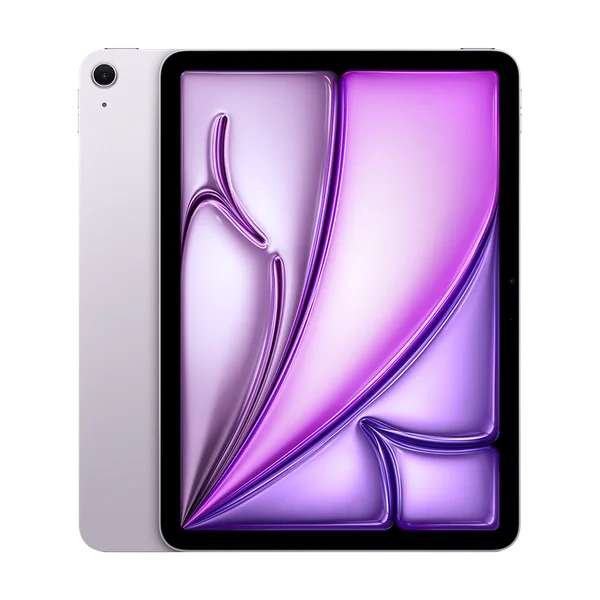
The M4 iPad Air has 12 GB of memory and an IPS Liquid Retina display. It supports Apple Pencil Pro and Apple Pencil USB-C, sold separately. Touch ID in the top button provides fingerprint unlocking.
Desktop computers · 2025
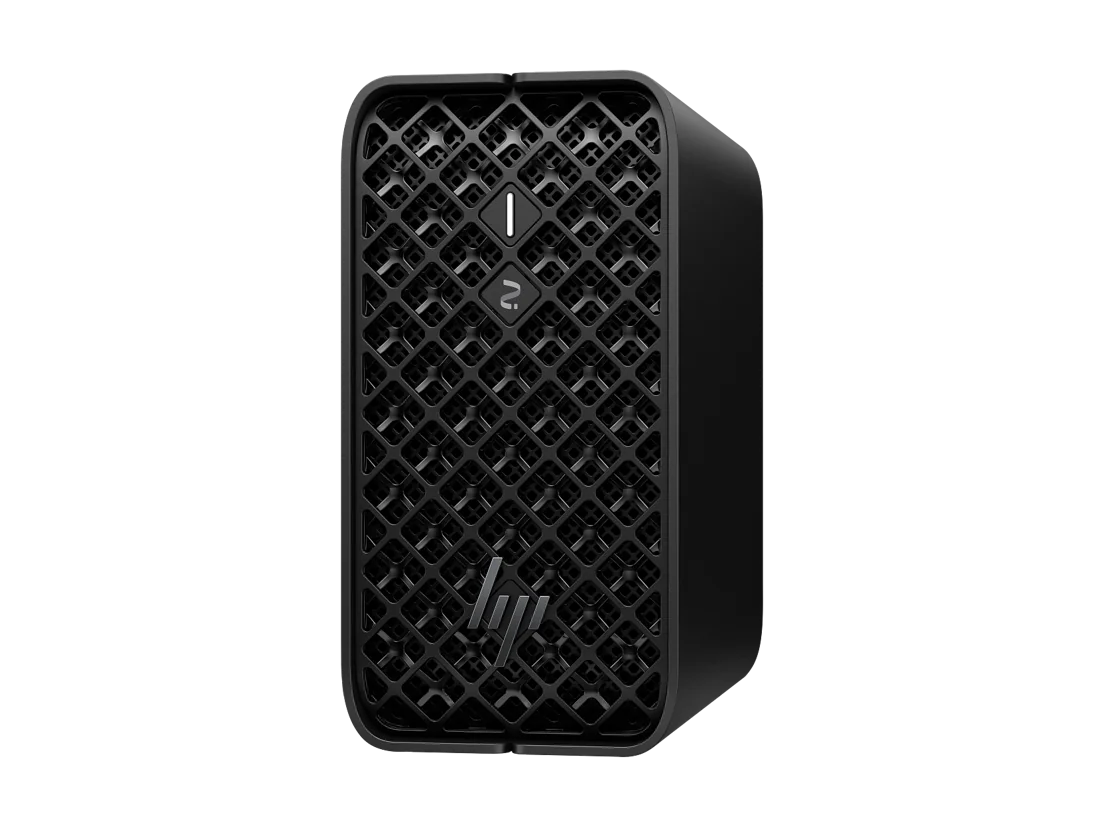
A compact Windows workstation sharing 128 GB of memory between its CPU and integrated graphics. It provides room for large datasets, 3D work and local AI, but fitting a model in memory does not guarantee that it will run quickly. RAM cannot be upgraded later with plug-in modules.